Key Takeaways:
Before diving into the full guide, here’s what every event host in the Treasure Valley needs to know:
- Host outdoors whenever possible, open air venues dramatically reduce health and safety risks year round.
- Always have a dedicated first aid station and at least one trained person on site.
- Plan your crowd capacity before you book rentals, overcrowding is the #1 preventable safety hazard.
- Food safety is nonnegotiable, use covered chafers, designated servers, and proper temperature controls.
- Sanitization stations are a permanent best practice, not just a pandemic era trend.
- Great seating layout + proper spacing = fewer accidents, less congestion, happier guests.
- Weather in Idaho is unpredictable, always have a rain plan and heat/cold contingency ready.
- Use proper lighting, stable flooring, and secured tent anchoring to prevent trip and fall accidents.
- Communicate safety expectations with guests in advance, a simple note on the invite goes a long way.
- Partner with an experienced local rental company like Idaho Tents & Events to handle logistics you might overlook.
Introduction: Why Event Safety Planning Matters
Whether you’re hosting a backyard birthday party, a corporate picnic, a wedding reception, or a community festival in the Boise area, one thing is always true: your guests’ safety is your responsibility as the host.
Most event accidents from foodborne illness to slip and fall injuries are entirely preventable with a little advance planning. The good news is that safe events and fun events aren’t mutually exclusive. In fact, well planned events are almost always more enjoyable precisely because guests feel comfortable and cared for.
This guide expands on our popular original safety tips to give you a comprehensive, actionable playbook whether you’re planning for 20 guests or 2,000. Browse our full services, read customer reviews, or check out our event planning blog for more inspiration.
Tip #1: Take It Outside The Power of Outdoor Events
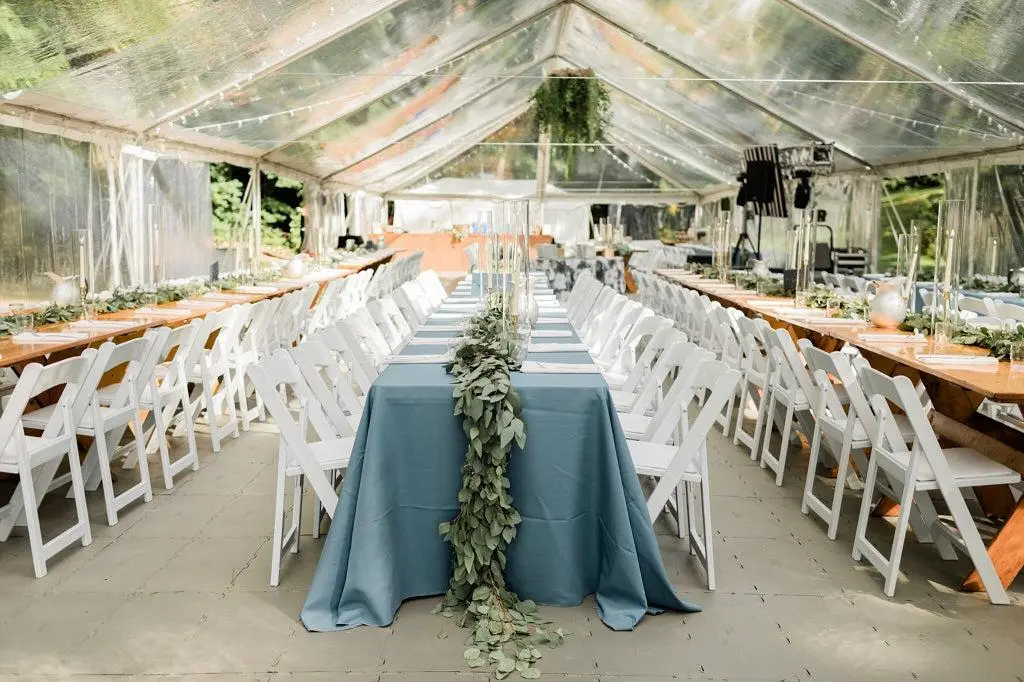
Outdoor events offer tremendous advantages for guest safety, comfort, and overall atmosphere. Openair settings naturally provide better ventilation, more space, and a relaxed environment that indoor venues simply can’t replicate.
Why Outdoor Events Are Safer
- Better air circulation reduces the spread of airborne illnesses
- More square footage per guest means easier traffic flow and reduced crowding
- Natural lighting improves visibility and reduces tripping hazards
- Easier emergency egress guests can spread out and exit quickly if needed
Beat the Idaho Heat: Tent Solutions
Boise summers regularly hit 90 to 100°F between June and August. Direct sun exposure can lead to heat exhaustion or heat stroke especially for children and elderly guests. A quality event tent rental provides critical shade and can lower perceived temperatures by 10 to 15 degrees.
- Frame tents and pole tents come in sizes from 10×10 to 40×200+ feet explore our full tent inventory
- Add sidewalls for wind or dust protection pair with heating and cooling rentals for any season
- Pair tents with portable evaporative coolers or misting fans for summer events
- For fall and spring events, consider heating systems inside the tent
Pro Tip: Idaho Tents & Events can design a custom tent layout for your space. Use our Tent Sizing Calculator or try the Idaho Tents Event Designer to visualize your setup before you order.
Idaho Spring & Fall Weather Planning
The Treasure Valley is known for fast moving weather systems. A clear morning can turn into a thunderstorm by 3 PM. Always have a rain contingency:
- Rent tent sidewalls even if you don’t expect to use them
- Keep a weather app (Weather.gov or Weather Underground) open day of
- Designate a team member as ‘weather watcher’ during the event
- Have a clear protocol for moving guests to shelter quickly
Tip #2: Drink Service Done Right Safe Beverage Management
How you handle beverages at your event has both safety and liability implications. Whether you’re serving alcohol, juice bars, or both, proper planning protects your guests and your reputation.

Alcohol Service Safety
- Always designate a sober event marshal or hire a licensed bartender
- Idaho law requires a permit for events serving alcohol to the public check with Idaho State Police Alcohol Beverage Control (ISPABC) well in advance
- Provide plenty of water and nonalcoholic options at minimum 1 gallon of water per 10 guests in summer
- Stop alcohol service 1 hour before the event ends
- Have a designated driver program or rideshare information (Uber/Lyft) printed and visible
- Never allow guests to carry open containers off your private event property
BYOB Events
BYOB (Bring Your Own Beverage) is a practical and popular option for private gatherings. It keeps costs down and naturally limits overconsumption. If you go this route:
- Provide dedicated coolers or ice bins for guest beverages
- Label coolers clearly (alcoholic vs. nonalcoholic)
- Still monitor for overconsumption you remain legally responsible as the host in Idaho
- Provide branded cups to prevent mixups see our glassware rentals and dinnerware options
Hydration Stations for Large Events
For events over 50 guests, especially outdoors in summer, set up dedicated hydration stations:
- One water station per 50 guests minimum check our food service equipment for drink dispensers and serving tables
- Offer both still and sparkling water
- Include electrolyte options (sports drinks) for active or long events
- Station placement: near activity areas, dance floors, and high traffic zones
Pro Tip: Idaho Tents & Events carries a full range of food service equipment including drink dispensers, ice bins, and serving tables. Request a quote to add beverage service to your rental order.
Tip #3: Food Safety From Kitchen to Table
Foodborne illness is one of the most common (and preventable) event health risks. The CDC estimates 48 million Americans experience food poisoning each year, with large gatherings being a primary source. Here’s how to serve great food safely.
Temperature Control Is Everything
The ‘Danger Zone’ for bacterial growth is between 40°F and 140°F. Food left in this range for more than 2 hours becomes a serious health risk.
- Hot foods must stay at 140°F or above use chafers with Sterno fuel or electric warmers
- Cold foods must stay at 40°F or below use ice beds, coolers, or refrigerated display cases
- Discard any food that has been in the Danger Zone for over 2 hours (1 hour if temps exceed 90°F outdoors)
- Use a food thermometer to verify temperatures, especially for proteins
Buffet Best Practices
Buffets are crowd favorites, but selfservice stations carry higher contamination risks. Minimize that risk:
- Assign a dedicated server at each station explore our catering services for fully staffed food service options
- Use covered chafers and sneeze guards for all hot and cold items
- Replace serving utensils every 30 minutes
- Label all dishes clearly, including common allergens (gluten, dairy, nuts, shellfish)
- Keep backup food covered in a separate area until the first round runs low
PreRolled Flatware & SingleUse Options
Prerolling flatware in napkins before the event keeps utensils sanitary and reduces handling:
- Roll each set tightly and secure with a napkin ring browse our linen rentals for matching napkins and table covers
- Store rolled sets in a clean bin or basket, handles facing up
- For large or casual events, compostable single use utensils are an eco friendly alternative
- Never stack loose flatware in open bins at the table
Allergen Management
With food allergies affecting approximately 32 million Americans, proactive allergen management is both a safety and hospitality priority:
- Ask about dietary restrictions on your RSVP form
- Label every dish with a card listing the top 9 allergens if present (milk, eggs, fish, shellfish, tree nuts, peanuts, wheat, soybeans, sesame)
- Prepare allergen free options in separate serving vessels with dedicated utensils
- Brief your serving staff on which dishes contain which allergens
Pro Tip: Idaho Tents & Events carries a full range of food service equipment including chafing dishes, serving utensils, and food covers. Need BBQ equipment for an outdoor cookout? Check out our BBQ and griddle rentals.
Tip #4: Hand Hygiene Sanitization Stations Are Here to Stay
Long before 2020, public health experts emphasized hand hygiene as the single most effective way to prevent the spread of communicable illness. For any event with shared food, shared equipment, or high guest density, hand hygiene infrastructure is simply good hosting.

Where to Place Sanitization Stations
- Entrance/exit points the first and last touchpoint for every guest
- Before and after food service areas
- Near portable restrooms or handwashing stations
- By activity areas bounce houses, carnival games, and activities & game rentals
- Adjacent to any shared equipment (microphones, AV remotes, signing tablets)
Hand Washing vs. Hand Sanitizer
Both have a role to play at events:
- Hand washing with soap and water: Best choice when hands are visibly dirty or after using the restroom
- Alcohol based hand sanitizer (60%+ alcohol): Convenient between activities and when sinks aren’t accessible
- For food prep and service, hand washing is always preferred over sanitizer
What to Provide
- Touchless hand sanitizer dispensers (autodispensing reduces crosscontamination)
- Portable handwashing stations with soap and paper towels for longer events
- Clear signage encouraging use guests are more likely to use stations they notice
- Refill sanitizer stations halfway through the event
Pro Tip: Portable handwashing stations and sanitation supplies can be added to any rental order. Contact our team for recommendations based on your guest count.
Tip #5: Smart Seating Layout Space, Flow & Comfort
Your seating layout is one of the most powerful safety tools you have. A well designed layout prevents bottlenecks, reduces accidental injuries, ensures clear emergency egress, and makes your event feel more comfortable for everyone.
Table Sizing & Spacing Guidelines
General best practices for outdoor event seating (browse all table rentals and chair rentals):
- Round tables (60″ diameter / 5 ft) seat 8–10 comfortably good for weddings and galas
- Round tables (48″ diameter / 4 ft) seat 6–8 better for intimate gatherings with more circulation space
- Rectangular 8 ft banquet tables seat 8–10 and work well for linear layouts
- Leave a minimum of 36″ (3 feet) between chair backs at adjacent tables for ADA compliance and comfort
- For premium circulation, allow 5–6 feet between tables
- Aisle widths of at least 5 feet are recommended for main pathways through the venue
Seating Chart Strategy
A preplanned seating chart does more than keep order it’s a safety tool:
- Seat guests with mobility challenges near accessible restrooms and exits
- Keep children away from tent perimeters (stakes and guy wires)
- Seat elderly guests away from speakers and high traffic zones
- Group guests by household or social circle to reduce unnecessary mingling in tight spaces
- Use name tags and remove extra chairs after final setup to prevent overcrowding
Tent Capacity Guidelines
Tent capacity varies based on event type and table style. General rule of thumb:
- Banquet (seated dinner): 8–10 sq ft per person
- Reception (cocktail/mixed): 6–7 sq ft per person
- Theater style (rows of chairs): 6 sq ft per person
- Dance + dining: 12–15 sq ft per person
Example: A 30×60 (1,800 sq ft) tent can hold approximately 180 guests for a seated dinner, or 120 to 130 guests with a dance floor included.
Pro Tip: Use the Idaho Tents & Events Tent Sizing Calculator at boisepartyrentals.com to find the right tent for your guest count, or try the interactive Event Designer to plan your full layout.
Tip #6: Structural & Physical Safety Tents, Flooring & Lighting
The physical infrastructure of your event tents, flooring, lighting, and electrical systems presents real safety considerations that are easy to overlook in the excitement of planning.

Tent Safety
- Always have tents professionally installed and inspected before guest arrival
- Tent stakes and guy wires must be clearly marked with bright flags or covers they are a primary trip hazard
- Never anchor tents to utility lines, fences, or unstable structures
- Check local wind advisories most frame tents are rated to 30–40 mph winds; stronger gusts require additional anchoring or tent removal
- Never use open flame (candles, Sterno without chafers, fire pits) inside or immediately adjacent to a tent without proper clearance
- Download our Tent Site Checklist before setup day to make sure your venue is ready
Event Flooring
Uneven ground, grass, or gravel can cause trips and falls, especially for guests in formal footwear or those with mobility challenges. Event flooring solves this:
- Interlocking dance floor panels create a stable, flat surface on any terrain
- Outdoor flooring systems can cover entire tent interiors, eliminating uneven ground hazards
- Use rubber edge trim on all flooring perimeters to eliminate lip hazards
- For muddy or wet conditions, raised flooring prevents water intrusion
Lighting for Safety (Not Just Ambiance)
Poor lighting is a leading cause of trip and fall accidents at events. Plan for both safety and ambiance with our lighting rental options:
- Pathway lighting: Groundlevel or stakemounted lights along all walking paths, especially from parking to event
- Area lighting: Even ambient light throughout the tent to eliminate dark corners
- Task lighting: Dedicated lighting over food stations, bars, and sign in tables
- Emergency lighting: At least one battery powered area light in case of generator failure
- String lights are beautiful but often insufficient as the sole light source layer them with functional lighting
Generator & Electrical Safety
- Never run generators inside a tent or enclosed space carbon monoxide risk is fatal
- Position generators at least 20 feet from the tent perimeter
- Use GFCI (Ground Fault Circuit Interrupter) outlets for all outdoor electrical connections
- Tape or cover all power cords crossing walkways
- Have a licensed electrician review your electrical setup for events over 200 guests
Pro Tip: Idaho Tents & Events carries generators & electrical equipment, outdoor lighting packages, and dance floor & staging. We handle the full infrastructure setup so you can focus on your guests.
Tip #7: Entertainment & Dance Floor Safety
Your guests are there to have a great time and the entertainment area is where energy is highest. That also means it’s where accidents are most likely to happen if not properly managed.

Dance Floor Sizing
The right dance floor size depends on how many guests you expect to dance simultaneously (typically 30–50% of total guests):
- 50 guests dancing: 10×10 (100 sq ft) very tight; consider 12×12
- 75–100 guests dancing: 16×16 (256 sq ft)
- 150–200 guests dancing: 20×20 (400 sq ft)
- 300+ guests: 20×24 or custom configuration
More floor space = fewer collisions, falls, and complaints. Err on the side of larger.
Dance Floor Surface Safety
- Ensure the floor is level and stable no flex or wobble
- Check panel locks before the event and at the midpoint
- Keep the area around the dance floor clear of chair legs and bags
- If serving food near the dance floor, station a busser there spills create instant slip hazards
- For outdoor events, use interlocking hardwood panels rather than carpet tiles, which can buckle in heat
Audio/Sound Safety
Sound levels at events can cause permanent hearing damage when sustained over 85 dB. For crisp, clear sound without blowing out guests’ ears, check our audio/visual rental options:
- Keep speaker volume at a level where guests can converse without shouting
- Position speakers at head height and angled away from direct paths
- Never point speakers directly at children’s ear level
- Provide a quiet zone away from speakers for guests who need a break
- Consider adding a microphone and mixer so announcements are clear without cranking volume
Children’s Activity Areas
- Set up bounce houses and inflatables from our activities & games inventory on flat, grassy surfaces only never asphalt
- Always anchor inflatables with stakes and/or sandbags per manufacturer specs
- Assign a dedicated adult monitor to children’s activity areas at all times
- Establish age and weight limits for inflatable activities and enforce them
- Keep children’s areas clearly separated from adult activity zones
Tip #8: First Aid Preparedness Be Ready Before You Need It
No event planner wants to think about emergencies, but having a first aid plan in place is a mark of professionalism and genuine care for your guests.

First Aid Station Essentials
- Standard first aid kit (bandages, antiseptic, gauze, medical tape, scissors, gloves, CPR mask)
- Ice packs for heat related illness and minor injuries
- Epipen (if you know any guests have severe allergies encourage high risk guests to carry their own)
- Sunscreen and insect repellent (for outdoor Idaho events)
- Basic OTC medications: antacids, pain reliever, antihistamine
- Clearly labeled ‘First Aid’ sign visible from all guest areas
Staffing for Safety
- Events over 100 guests: designate at least one trained first aider onsite
- Events over 500 guests: consider hiring a licensed EMT or first aid service
- All event staff should know the location of the first aid station and how to call 911
- Post the venue address visibly near your event entrance in an emergency, 911 dispatchers need it
Heat & Sun Safety for Idaho Summers
Idaho summers are intense. Heatrelated illness escalates quickly, especially for children, elderly guests, and anyone in formal attire. Watch for:
- Heat exhaustion symptoms: heavy sweating, weakness, cold or pale skin, weak pulse, nausea
- Heat stroke symptoms: hot red skin, rapid strong pulse, confusion this is a 911 emergency
- Prevention: shaded tent areas, hydration stations, and heating/cooling rentals including misting fans and evaporative coolers
Tip #9: Permits, Insurance & Legal Considerations
This is the tip most event hosts skip and the one that can have the most serious consequences. Taking 30 minutes to check these boxes can protect you from significant liability.
Permits You May Need in Idaho
- Special Event Permit: Required for events on public property in Boise, Meridian, Nampa, Eagle, and Caldwell apply through your city’s Parks & Recreation or Planning department
- Alcohol Permit: Any event serving alcohol to the public requires a catering permit from Idaho State Police Alcohol Beverage Control
- Noise Ordinance: Boise’s noise ordinance limits amplified sound to 55 dB in residential areas after 10 PM know your venue’s applicable rules
- Food Handler’s Permit: If you’re hiring catering staff, ensure they have valid Idaho Food Handler certificates
- Fire Safety Permit: Some venues require a tent fire safety inspection, especially for events with cooking or open flame
Event Liability Insurance
Event liability insurance is inexpensive and highly recommended for any gathering over 50 people:
- Typical cost: $75–$200 for a one day event policy
- Covers: property damage, bodily injury claims, and liquor liability (if applicable)
- Where to get it: Many home insurance carriers offer event riders; check also with Travelers, Progressive, or a local Idaho broker
- Venue requirements: Many venues now require proof of event insurance before allowing setup
Note: Idaho Tents & Events is fully licensed and insured. We carry general liability insurance on all equipment and installations. Review our rental policies or visit our company information page for details. Learn more about why customers choose Idaho Tents & Events.
Tip #10: Communicate Safety Expectations With Guests in Advance
One of the most underutilized event safety tools is simple communication. When guests know what to expect, they make better decisions and feel more confident.
PreEvent Communication
- Include key venue/safety details on your invitation or event website: parking instructions, dress code (especially footwear for outdoor events), weather contingency plan
- Notify guests in advance of any dietary restrictions accommodations and ask them to disclose allergies
- For alcohol serving events, gently remind guests in your communication that rideshares are available
- If children are attending, note any age or size restrictions for activities
- Share your event emergency contact number with guests in case they need to reach someone onsite
OnSite Signage
- Post the venue address clearly near the entrance
- Mark first aid station with a visible sign
- Post hand sanitizer station locations throughout the venue
- Use ‘Caution: Wet Floor’ or ‘Watch Your Step’ signage near stairs, uneven terrain, or potential spill zones
- For tent events, post a weather evacuation plan near all exits
Day of Event Safety Briefing for Staff
If you have event staff or volunteers, run a 5 minute safety briefing before guests arrive covering:
- Emergency exit locations and evacuation procedure
- Location of first aid station and who to contact for medical situations
- Food service protocols and allergen awareness
- Who to contact if a guest appears to be in distress
- Generator and electrical ‘do not touch’ zones
Event Safety Checklist Print & Use
Use this checklist during your event planning and onsite setup:
1–2 Weeks Before the Event
- Confirm tent size and rental equipment use the Tent Sizing Calculator and request a quote
- Apply for all necessary permits (alcohol, noise, public space)
- Confirm food handlers’ certificates for catering staff
- Purchase or arrange event liability insurance
- Review our rental policies and tent site checklist
- Send safety relevant details to guests (parking, attire, rideshare info)
Day of the Event
- Check tent anchoring and sidewall stability
- Confirm food temperatures before service begins see food service equipment
- Activate all hand sanitizer/hand washing stations
- Post all safety signage
- Monitor weather and keep contingency plan ready
- Have the venue address saved and ready to give to 911 if needed
- Assign a weather watcher and first aid point person
Planning a Specific Type of Event? We've Got You Covered.
Idaho Tents & Events serves every type of gathering across the Treasure Valley. Explore our specialized services:
- Wedding Rentals & Accessories tents, linens, lighting, dance floors, and more for your perfect day
- Corporate Events professional event infrastructure for meetings, picnics, and company celebrations
- Fairs & Festivals large format tent solutions, staging, and crowd management equipment
- Trade Shows display structures, flooring, and AV for professional exhibition events
- Catering Equipment everything from chafing dishes to full service catering setup
- Restaurant Tenting outdoor dining expansion for restaurants and food service businesses
- Temporary Warehouse & Storage Tenting needs temporary covered space beyond an event? We offer industrial tent solutions
We proudly serve the entire Treasure Valley including:
Ready to Plan Your Safe & Unforgettable Event?
Idaho Tents & Events has been serving the Treasure Valley for over two decades, helping thousands of families, businesses, and event planners create memorable celebrations safely and beautifully. Browse our photo gallery, read our customer reviews, or watch our video library to see our work in action.
Our team can help you:
- Design a safe and functional tent layout start with our Event Designer
- Select the right equipment for your guest count, venue, and budget browse all rentals
- Coordinate delivery, professional setup, and teardown contact our team
- Get a fast, no obligation estimate request a quote online
- Businesses needing ongoing rental access apply for a commercial credit account
📞 Call or Text: (208) 3365486 | 📍 3900 W. Chinden Blvd., Garden City, ID 83714
Mon–Fri: 8:30 AM–5:30 PM | Sat: 9:00 AM–4:00 PM | Serving Boise, Meridian, Nampa, Eagle, Caldwell & Beyond
